

 708-728-0005
 CONTACT US
Safety Protocols for Steel Slitting Operations: Edge Conditioning Best Practices
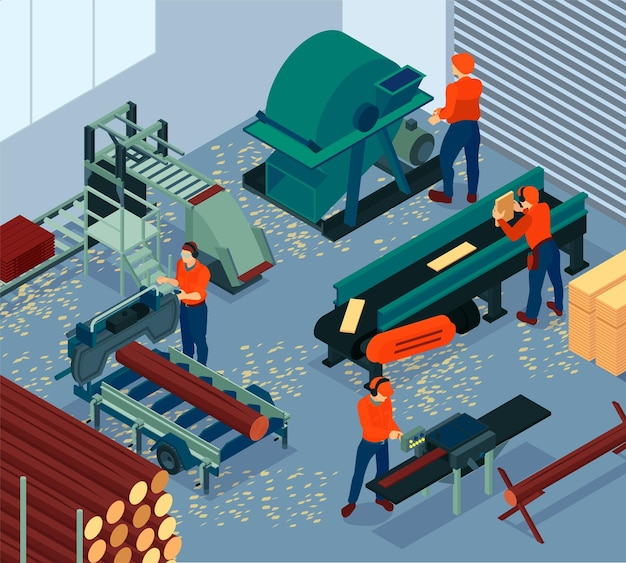
Steel slitting operations play a vital role in the metal processing industry, particularly when it comes to preparing steel for various applications. However, the process involves significant risks, especially when handling sharp edges and heavy materials. To ensure a safe working environment, it is imperative to implement robust safety protocols and best practices. This article delves into essential safety measures, edge conditioning techniques, and compliance standards that can enhance safety during steel slitting operations
Understanding Steel Slitting Operations
Steel slitting is a process that involves cutting large coils of steel into narrower strips. This operation is critical for producing materials used in various industries, including automotive, construction, and manufacturing. Given the nature of the work, it’s essential to understand the inherent risks involved.
The Importance of Safety in Steel Slitting
- Worker Safety: The primary concern in any industrial operation is the safety of the workforce. Steel slitting involves sharp tools and heavy machinery, making it crucial to have stringent safety measures in place.
- Regulatory Compliance: Adhering to industry regulations, such as OSHA standards, is not only a legal obligation but also a commitment to maintaining a safe working environment.
- Operational Efficiency: Implementing safety protocols can lead to fewer accidents, which in turn minimizes downtime and enhances productivity.
Key Risks in Steel Slitting
- Sharp Edges: The edges of slitted steel can be extremely sharp, posing a risk of cuts and lacerations.
- Heavy Lifting: Workers often need to lift heavy coils, which can lead to musculoskeletal injuries if not done properly.
- Machine Hazards: The machinery used in slitting operations can present various hazards if not operated correctly.
- Hazardous Energy During Maintenance: Servicing slitters, recoilers, and related equipment can expose workers to stored or uncontrolled energy if machines are not fully isolated before work begins.
Developing Comprehensive Safety Protocols
Creating a culture of safety begins with the development of comprehensive safety protocols. These protocols should be well-documented and accessible to all employees.
Written Procedures
- Documentation: Develop detailed written procedures for every aspect of the slitting process, including handling, storage, and emergency response.
- Accessibility: Ensure that all employees can easily access these documents, whether in physical form or digitally.
- Task-Specific Guidance: Build procedures around the actual risks of slitting lines, including coil handling, blade changes, machine cleaning, jam clearing, and maintenance activities.
Compliance with Regulations
- Industry Standards: Familiarize yourself with relevant safety standards, such as those set forth by OSHA and ISO, to ensure compliance.
- Regular Updates: Safety protocols should be reviewed and updated regularly to reflect changes in regulations or operational practices.
- Signage and Hazard Identification: Use clear hazard signage and consistent visual warnings in high-risk areas so employees can quickly recognize pinch points, sharp-edge zones, moving equipment, and emergency equipment locations.
Training and Awareness Programs
Employee training is a cornerstone of any effective safety program. Regular training sessions can significantly reduce the risk of accidents.
Regular Safety Training
- Initial Training: Provide comprehensive safety training for new hires, covering all aspects of steel slitting operations.
- Ongoing Education: Schedule regular refresher courses to keep all employees informed about the latest safety practices and protocols.
- Hands-On Reinforcement: Pair classroom instruction with supervised practical training so employees can safely apply procedures around slitters, shears, coil handling equipment, and edge-conditioned material.
Emergency Drills
- Simulated Scenarios: Conduct emergency drills to prepare employees for potential accidents or hazardous situations.
- Feedback Mechanism: After each drill, gather feedback to identify areas for improvement in emergency response procedures.
Utilizing Proper Equipment and Tools
The right equipment is essential for safe steel slitting operations. Utilizing appropriate tools can minimize risks and enhance efficiency.
Handling Equipment
- Lifting Devices: Use cranes, hoists, and other lifting devices for heavy coils to prevent strain injuries.
- Forklifts and Pallet Jacks: Ensure that operators are trained in the safe use of forklifts and pallet jacks for transporting materials.
Personal Protective Equipment (PPE)
- Mandatory PPE: Require employees to wear appropriate PPE, including gloves, safety glasses, and steel-toed boots.
- Ergonomic Tools: Invest in ergonomic tools to reduce the risk of injuries associated with manual handling.
- PPE Fit and Condition: Train employees on proper PPE selection, use, and maintenance so protective gear remains appropriate for sharp edges, heavy materials, and the surrounding work environment.
Safe Storage Practices
Proper storage practices are crucial for minimizing risks associated with steel slitting operations.
Organized Storage Solutions
- Sturdy Racking Systems: Implement robust racking systems designed to support the weight of steel coils and strips.
- Clear Labeling: Use clear labels and signage to indicate potential hazards in storage areas.
Access and Egress
- Unobstructed Pathways: Maintain clear pathways to facilitate the safe movement of employees and equipment.
- Emergency Exits: Ensure that emergency exits are clearly marked and accessible at all times.
- Layout Awareness: Review traffic flow and work zone separation regularly so storage areas, slitting lines, and evacuation routes remain compatible with safe day-to-day operations.
Monitoring and Continuous Improvement
Safety is not a one-time effort; it requires ongoing monitoring and improvement.
Regular Safety Audits
- Conduct Audits: Schedule regular safety audits to identify potential hazards and evaluate the effectiveness of existing protocols.
- Address Issues Promptly: Quickly address any identified issues to prevent accidents.
- Use Incident Trends: Review accident reports, near-misses, and unsafe-condition reports during audits to identify recurring gaps in procedures, supervision, or equipment safeguards.
Equipment Inspections
- Routine Checks: Perform routine inspections of machinery and equipment to ensure they are in safe working condition.
- Maintenance Logs: Keep detailed logs of all maintenance activities to track the condition of equipment over time.
- Guarding Verification: Regularly confirm that guards, interlocks, and other protective features on slitting and related equipment remain intact and functional.
Employee Feedback and Engagement
Encouraging employee involvement in safety practices can lead to a more proactive safety culture.
Open Communication
- Feedback Channels: Establish channels for employees to report safety concerns or suggest improvements.
- Safety Committees: Form safety committees that include employees from various levels to discuss safety issues and solutions.
- Near-Miss Reporting: Encourage reporting of near-misses and unsafe conditions as learning opportunities rather than punitive events, helping teams address problems before injuries occur.
Continuous Improvement
- Review Protocols: Regularly review and update safety protocols based on employee feedback and industry advancements.
- Adopt Best Practices: Stay informed about best practices in the industry and integrate them into your safety program.
Edge Conditioning Techniques
Edge conditioning is a crucial aspect of steel slitting operations that can significantly impact safety and product quality.
Understanding Edge Conditioning
- Definition: Edge conditioning refers to the processes used to smooth and finish the edges of slitted steel to prevent injuries and enhance performance.
- Importance: Proper edge conditioning can reduce the risk of cuts and improve the overall quality of the finished product.
Techniques for Edge Conditioning
- Deburring: Utilize deburring tools to remove sharp edges and burrs from slitted steel.
- Grinding: Employ grinding techniques to achieve a smooth finish on the edges of steel strips.
Compliance with Industry Standards
Ensuring compliance with industry standards is essential for maintaining safety and quality in steel slitting operations.
Familiarity with Standards
- OSHA Regulations: Understand and implement OSHA regulations specific to metalworking and steel slitting.
- ISO Standards: Familiarize yourself with ISO standards related to quality management and safety.
- Lockout/Tagout Requirements: Include hazardous energy control requirements in compliance efforts, especially for maintenance, blade servicing, troubleshooting, and other tasks involving moving parts.
Regular Compliance Checks
- Internal Audits: Conduct internal audits to assess compliance with safety regulations and standards.
- Third-Party Inspections: Consider hiring third-party inspectors to evaluate your operations and provide recommendations for improvement.
Lockout/Tagout for Steel Slitting Equipment
One of the most critical safety controls in steel slitting operations is an effective lockout/tagout program. Before maintenance, cleaning, adjustments, or jam clearing begin, equipment should be shut down, isolated from its energy sources, and verified to be in a zero-energy state. This is especially important on slitting lines and associated coil handling equipment where moving components can create severe crushing, cutting, or entanglement hazards. Consistent lockout/tagout training and enforcement help reduce the likelihood of serious injuries during non-routine tasks.
Roles and Accountability in Slitting Safety
Clear responsibilities help safety protocols work in practice. Safety personnel typically manage documentation, audits, and compliance oversight; supervisors reinforce procedures on the floor and correct unsafe behavior; and operators are responsible for following established protocols during setup, production, and maintenance support activities. When each role is clearly defined, communication improves and accountability becomes easier to maintain.
Using Technology to Strengthen Safety Programs
Technology can support safer steel slitting operations through digital safety tracking, better maintenance visibility, and faster reporting of hazards or incidents. Some facilities also evaluate connected PPE or monitoring tools to improve awareness of working conditions. While technology does not replace training and disciplined procedures, it can strengthen oversight and support continuous improvement efforts.
Conclusion: Creating a Culture of Safety
In conclusion, establishing a culture of safety in steel slitting operations requires a multifaceted approach. By developing comprehensive safety protocols, providing regular training, utilizing proper equipment, and engaging employees in safety practices, organizations can significantly reduce risks. Furthermore, implementing effective edge conditioning techniques and adhering to industry standards will enhance product quality and ensure compliance. Ultimately, prioritizing safety not only protects workers but also contributes to the overall success of steel slitting operations.
This article provides a comprehensive overview of safety protocols for steel slitting operations, focusing on edge conditioning best practices. By following these guidelines, organizations can foster a safer working environment and enhance operational efficiency.

